
Choosing a mechanic is easier when there is more to compare than a headline price. The useful details are practical: experience with the vehicle, the work included, how unexpected findings are handled and what documentation comes back with the keys. A few focused questions can reveal whether a workshop’s process fits the car and the owner’s needs. Clear written answers make those comparisons easier to revisit before booking.
Start with who’s actually doing the work
Ask whether the workshop regularly works on the vehicle’s make, model and engine type, and who will handle the job. In Western Australia, a motor vehicle repair business needs a business license. Repair work must be performed by someone certified for the relevant class of work or supervised by a person with that certification. Asking how the workshop meets those requirements is a practical starting point.
A service advisor does not need to be the technician doing the repair. What matters is that technical findings reach the customer accurately and questions can be referred back to the person investigating the car. Ask who will explain the diagnosis and whether any specialist work is sent elsewhere. A useful answer describes responsibilities and relevant experience rather than simply promising that the workshop can fix anything.
Get the quote in writing, and ask what happens if it changes
Ask whether the price is a fixed quote for defined work or an estimate that may change. A routine service may have a clear scope from the start, while an unknown fault can require an authorized investigation before a repair price is possible. Establish what that initial amount covers and when the workshop will stop to discuss further costs.
Then ask what happens if another problem is found. A clear process explains the finding, the proposed work, the price and any timing change before additional work is approved. Specify a contact number and ask how approval or declined recommendations will be recorded. If a spending limit is agreed, make sure both sides understand what it authorizes. Written scope and clear communication are more useful than an apparently exact total based on an unknown fault.
Build a shortlist before you commit to anyone
It helps to compare more than one shop rather than booking with whoever’s closest or first on the search results page. A sensible approach is to search for a mechanic near me to build a shortlist of three or four candidates, then run each one through the same set of questions on an initial phone call. You’ll soon notice which workshops answer confidently and which start hedging. That contrast can tell you more than a star rating alone.
Ask what parts they’re planning to use
Ask what brand and part specification the workshop proposes and why it suits the vehicle. Genuine, OEM and aftermarket descriptions can be used differently, so a label alone is not a reliable quality comparison. OEM refers to an original equipment manufacturer; it does not by itself establish that a replacement is identical to a carmaker-branded part. An older car still needs suitable, safe components. Vehicle age and a low price do not make an unsuitable part acceptable.
What matters is knowing what will be fitted and why. Ask directly: “what part are you planning to fit, and will you tell me before you fit it if that changes?” A workshop that’s comfortable with that question is making the decision easier to understand. One that gets cagey about where parts come from is one where you’ll want to inspect the itemized invoice very closely afterward.
Ask what warranty actually covers the work
Ask what written warranty the workshop offers on parts and labor, including its duration, exclusions and process for reporting a problem. Do not assume a standard period applies. The important detail is what the terms cover and how the workshop handles a return visit, not just a headline number.
This may be the most useful question in the whole vetting process: what do you do if your work turns out to be wrong? A shop with confidence in its own workmanship should have a clear, written answer ready. One that shrugs and promises to sort it out if that happens hasn’t given you much to rely on. A workshop’s written warranty is separate from any rights under applicable consumer law. For a dispute, a consumer protection agency or qualified adviser can explain how those rights apply. When comparing workshops, the immediate goal is understanding the return process, who to contact and what information the business needs if a problem develops.
Ask how the logbook service and documentation will be handled
If the car is still within its manufacturer warranty period, ask how the service will be documented in relation to the warranty requirements. Ask whether the shop will stamp the logbook and provide an itemized invoice showing parts and labor separately, along with any other charges. A lump-sum bill that just says “service – $380” with no breakdown gives you little to work with and raises questions about how the business keeps its records.
Proper documentation also protects the car’s resale value down the track. Buyers and dealers alike treat a full, stamped service history as evidence the car’s been looked after, and an itemized record of what parts were used and when makes that history worth something. A shop that treats paperwork as an afterthought may leave you with an incomplete record, even after the mechanical work is finished.
Ask about communication and inspection reports
Modern workshops increasingly use digital inspection reports, sending photos or short videos of worn brake pads, a cracked belt, or a leaking hose before any extra work is approved. These reports let you see the actual problem rather than relying entirely on a stranger’s description over the phone.
Ask whether you’ll have a single point of contact throughout the job, or whether you’ll be bounced between whoever happens to pick up the phone. Ask whether they’ll send photos if something beyond the original quote turns up. A shop that already does this as standard practice will usually explain the process readily, often with some pride, because it’s a point of difference they want you to know about.
Ask about diagnostics, not just error codes
Cars built in the last decade or so rely heavily on computers, and current OBD-II diagnostic scan tools are an important part of servicing them properly. But a good diagnostic process goes further than plugging in a scanner and reading whatever code pops up. Ask whether the technician also physically checks brakes, suspension components, belts, and battery health as part of a standard service, and ask them to explain what they found in plain language afterward.
Ask how diagnostic findings will be explained and whether the report will distinguish test results from possible causes. A clear explanation should connect the evidence to the proposed repair. It is reasonable for an initial investigation to leave further testing to do; the important point is that the workshop makes that uncertainty and the next authorization clear.
Ask about turnaround time and what happens while your car’s off the road
Turnaround time matters, especially if being without the car disrupts your day. Some workshops offer a courtesy car or pickup and drop-off, while others have free Wi-Fi in a waiting area so you’re not burning a day of vacation sitting in a waiting room. None of this affects the quality of the mechanical work, but it affects whether the whole experience costs you money in lost time on top of the invoice.
It’s a fair question to ask on that first phone call: “if I book this in, how long will I be without the car, and do you offer a loan vehicle?” The answer tells you something about how the business thinks about its customers’ time, which is a useful indication of how it treats customers generally.
Look at the workshop itself, and ask about payment terms
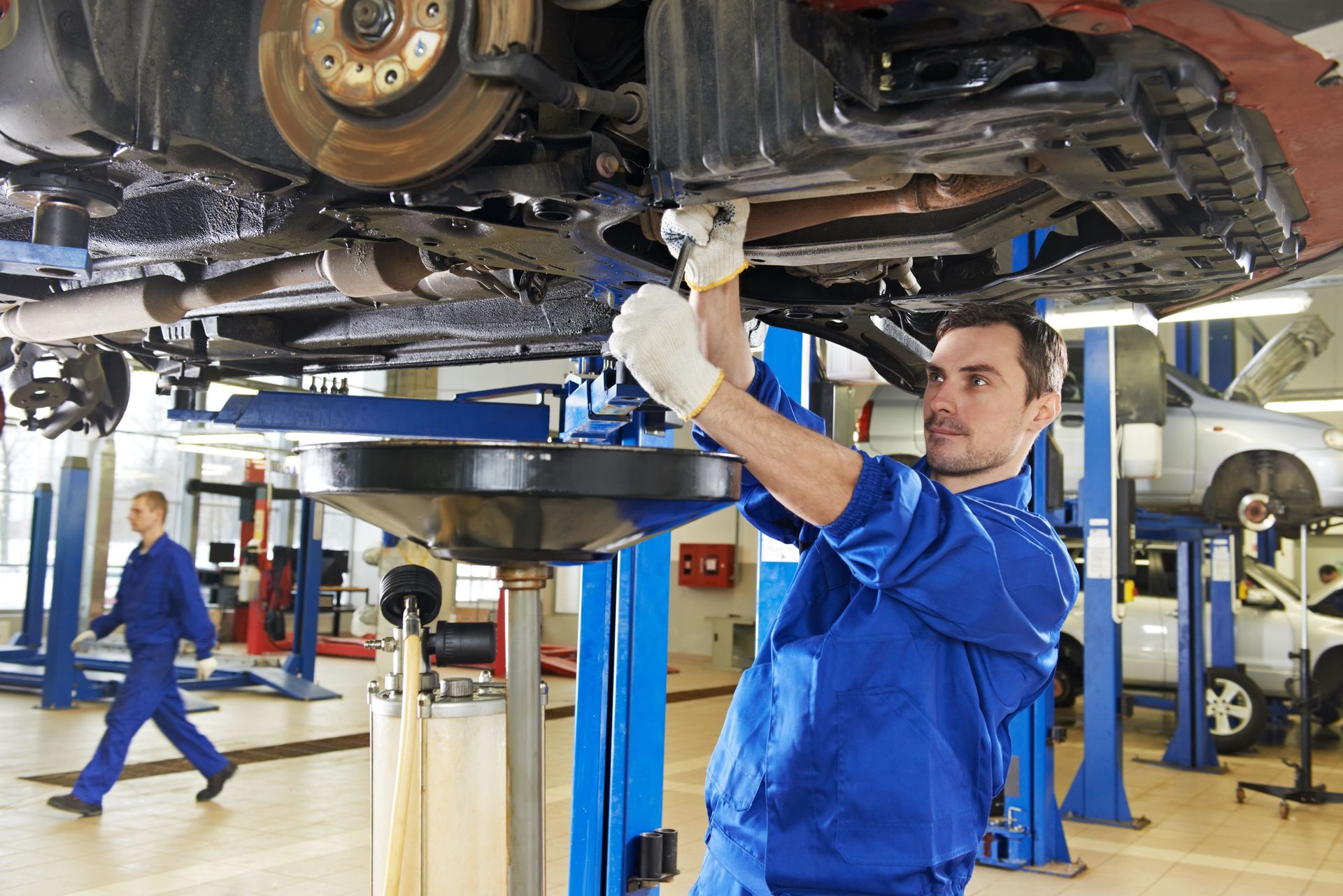
If you can, look around the actual workshop before booking. Modern diagnostic equipment and digital reporting systems are visible signs of investment in the business, as is a clean, organized work bay. A chaotic, cluttered shop with tools scattered everywhere isn’t automatically bad, but it’s a quiet signal worth weighing alongside everything else you learn.
Ask about payment terms too. Confirm the accepted payment methods, any deposit and any applicable card charges before booking. Cash payment alone does not establish anything about workmanship or honesty. What matters is a clear invoice and receipt, with the work, parts and charges documented regardless of how the bill is paid. Resolve unclear payment terms before leaving the vehicle.
Dealer versus independent isn’t the real question
A dealership and an independent workshop may offer different access, expertise and arrangements. The useful comparison is what each can do for this particular vehicle. Ask about experience with the model, access to current service information and whether any part of the job will be referred elsewhere. For recalls or manufacturer-funded work, ask the manufacturer about the appropriate channel. For ordinary maintenance or repairs, compare the same scope, suitable parts and documentation rather than assuming the sign above the door establishes price or quality.
The real test is accountability
Every question on this list eventually circles back to the same idea: what happens when something goes wrong? Pricing and parts are comparison points, alongside documentation and turnaround time. But the single question that cuts through all the sales talk is “what do you do if your work is wrong?” A shop with a real answer to that question, backed by a written warranty and a willingness to show you the evidence of what they found, has already told you much of what you need to know before handing over the keys.
