
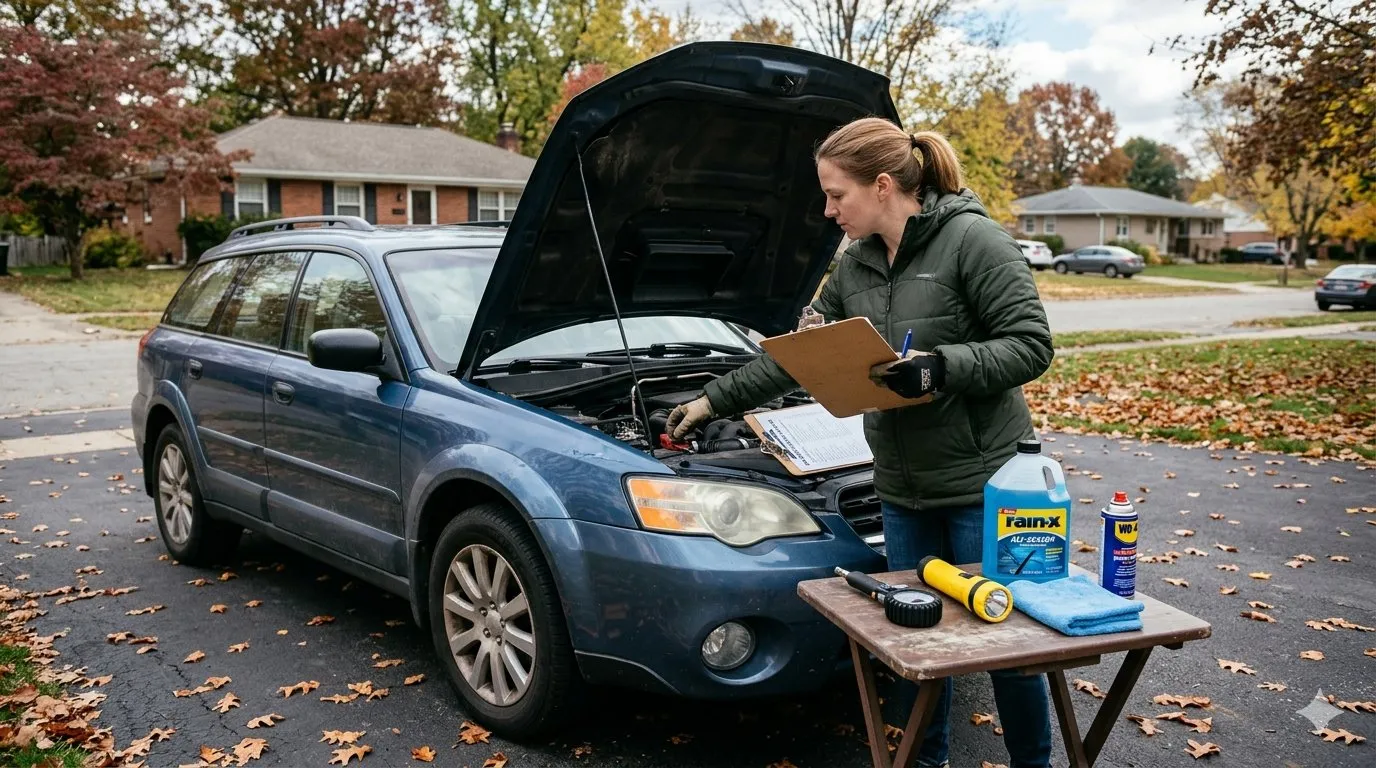
Parking outside exposes a vehicle to temperature changes, moisture, sunlight, and debris that can affect maintenance priorities. The solution is not to replace everything at the start of each season. Instead, owners should inspect the systems most exposed to changing conditions and purchase vehicle maintenance parts only when a genuine need is identified. A seasonal routine is especially useful for cars parked beneath trees, driven irregularly, or subjected to harsh weather, because small changes can develop between ordinary service appointments.
Begin With Visibility
Windshield condition, wiper performance, washer fluid, and exterior lighting deserve early attention. Dirt, leaves, ice, or strong sun can reduce visibility or degrade exposed materials. Check blade condition before a storm rather than after the first heavy rain. Inspect lens clarity and confirm that all required lights function. Replace components based on wear and correct fitment. A good visibility check is quick, inexpensive, and directly connected to everyday safety during unpredictable conditions. Clear windows and working lights become especially important during harsh weather.
Inspect Tires Beyond Pressure
Temperature changes can alter tire pressure, but condition matters as well. Look for uneven tread wear, cracks, cuts, and damage around the sidewalls. Use the vehicle’s specified cold-pressure guidance rather than the maximum number molded into the tire. Check the spare and any repair equipment where applicable. Tires sitting for long periods may require particular attention before driving. If vibration or irregular wear appears, investigate alignment, suspension, or wheel issues instead of treating pressure as the only explanation. This choice deserves care.
Keep Water Moving Away
Blocked drains and compromised seals can allow water into areas where it does not belong. Clear leaves from accessible drainage channels and check for moisture beneath floor mats or in the cargo area. Do not push tools into delicate drain passages without proper guidance. If dampness appears repeatedly, identify the entry path before simply drying the interior. Water intrusion can damage trim, electrical connectors, and stored items, turning a minor seasonal concern into a much larger repair. That detail deserves another check.
Check the Cooling System
Hot weather increases the importance of a properly functioning cooling system, but hoses and coolant condition matter throughout the year. Inspect visible connections for residue, cracking, or leaks when the engine is cool. Follow the manufacturer’s coolant specifications and service intervals. Do not open a pressurized cooling system while hot. If the temperature gauge behaves abnormally, arrange diagnosis rather than adding fluid repeatedly. A persistent loss may indicate a problem that needs more than topping off. Unexplained coolant loss deserves attention before temperatures become extreme.
Review Battery Health
Heat and cold can both expose a weak battery, while infrequent driving may allow charge levels to decline. Inspect accessible terminals for corrosion and secure mounting, following the appropriate safety precautions. If starting becomes sluggish, test the battery and charging system before deciding which component to replace. Some vehicles require battery registration or other electronic procedures after replacement. A planned test is more informative than assuming every difficult start points to the same fault. Battery test readings can reveal gradual deterioration before a cold-weather failure.
Look at Rubber and Plastic
Sunlight, heat, and time can affect weatherstripping, hoses, belts, and exposed plastic pieces. Inspect for cracking, hardening, deformation, and poor sealing. Pay attention to components that could create leaks or affect essential systems. Avoid spraying random chemicals onto rubber in the hope of reversing deterioration. Replacement decisions should follow condition and vehicle-specific service guidance. Addressing a damaged seal or hose early can help prevent secondary issues that are harder to diagnose. Inspecting hoses and seals helps prevent leaks and water intrusion.
Create a Short Seasonal Record
Keep a checklist with dates, mileage, observations, and completed work. Note whether the vehicle was parked for weeks or exposed to unusual weather. This record can identify recurring battery problems, water entry, or tire pressure changes. It also prevents unnecessary repeat purchases when a part was recently replaced. Review the checklist before a road trip or seasonal shift. A simple written habit makes maintenance less reactive and gives a repair technician better context. A seasonal checklist gives owners time to schedule maintenance proactively.
Conclusion
Outdoor parking does not require constant parts replacement, but it rewards timely inspection. Visibility, tires, drainage, cooling, electrical health, and exposed rubber all deserve attention as conditions change. Owners should verify faults and follow vehicle-specific guidance before spending money. TeamVehicle may help with sourcing suitable components once a need has been established. A seasonal checklist, backed by clear records, makes it easier to address small issues before they disrupt a normal week. Comparing observations across seasons exposes recurring weather-related weaknesses.
