

Introduction
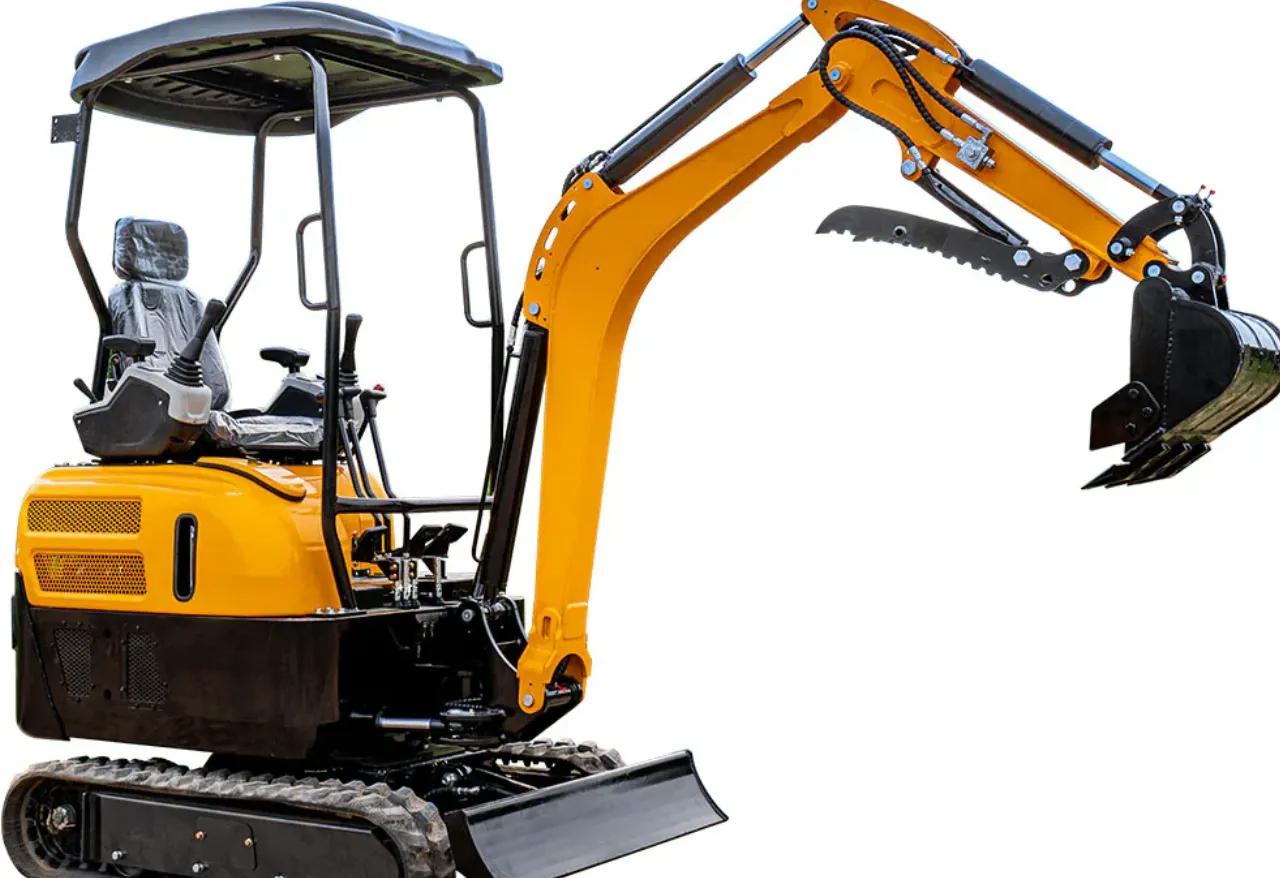
Knowing how to check hydraulic fluid level is an important part of keeping a mini excavator safe, powerful, and reliable. Hydraulic oil helps move the boom, arm, bucket, tracks, and attachments. When the oil level is too low, the machine may lose power, move slowly, overheat, or suffer costly hydraulic damage. When the level is too high, the system can foam, leak, or work under unnecessary pressure. That is why every operator should understand how to check hydraulic oil correctly before starting work. The good news is that the process is simple if you follow the right steps. This guide explains how to check hydraulic oil level, what tools you need, what signs to look for, and what mistakes to avoid.
Why Hydraulic Oil Level Matters
Hydraulic oil is the working fluid that transfers power through the excavator’s hydraulic system. It allows the machine to lift, dig, swing, travel, and operate attachments. Without enough clean hydraulic oil, the machine cannot perform properly.
Correct hydraulic oil level helps:
- Maintain smooth boom, arm, and bucket movement
- Protect pumps, cylinders, valves, and hoses
- Reduce friction and wear
- Control heat inside the hydraulic system
- Prevent cavitation and air entering the system
- Improve machine performance and service life
Low oil can cause serious problems. The hydraulic pump may suck in air, which can create noise, vibration, heat, and internal damage. Dirty or old oil can also damage seals and sensitive hydraulic parts. Regular checks help you find small issues before they become expensive repairs.
Tools You Need Before Checking
Before learning how to check hydraulic fluid level, prepare a few simple items. You do not need many tools, but cleanliness is very important because dirt can damage the hydraulic system.
You may need:
- Clean lint-free cloth
- Protective gloves
- Safety glasses
- Machine manual
- Correct hydraulic oil recommended by the manufacturer
- Small funnel, if adding oil
- Wrench, if the filler cap requires one
Avoid using dirty rags, dusty containers, or unknown oil. Hydraulic systems need clean oil to work correctly.
Safety Steps Before You Start
Hydraulic oil can become hot during operation. It may also stay under pressure for a short time after the machine is turned off. Before checking the oil, follow these safety steps:
- Park the excavator on flat, solid ground.
- Lower the boom, arm, and bucket to the ground.
- Turn off the engine completely.
- Remove the key from the ignition.
- Allow the machine to cool down.
- Wear gloves and eye protection.
- Clean around the hydraulic tank cap or sight glass.
Never open the hydraulic tank when the oil is hot or when the system is under pressure. Hot oil can splash and cause burns.
How to Check Hydraulic Oil Level Step by Step
Step 1: Park on Level Ground
The first step in how to check hydraulic oil level is parking the mini excavator on level ground. If the machine is parked on a slope, the oil inside the tank will sit unevenly. This can give a false reading.
Choose a flat surface such as concrete, compacted soil, or a stable work area. Avoid soft ground, holes, or uneven jobsite surfaces.
Step 2: Lower the Attachments
Lower the bucket, boom, and arm fully to the ground. This helps return hydraulic oil back to the reservoir and gives a more accurate reading. If your excavator has hydraulic attachments, place them in a safe resting position as well.
Step 3: Shut Down and Let It Cool
Turn off the engine and let the excavator sit for a while. Checking the machine immediately after heavy use can give an inaccurate reading because hot oil expands. A cooled machine usually gives a safer and more consistent result.
Step 4: Locate the Hydraulic Oil Tank
Find the hydraulic oil reservoir. On many mini excavators, it is located near the side of the machine or behind the operator area. Look for a hydraulic oil symbol or check the operator manual if you are unsure.
Some machines use a dipstick. Others use a sight glass. Both methods are common.
How to Check Hydraulic Oil Using a Dipstick
If your machine has a dipstick, the process is simple.
- Clean the area around the hydraulic oil cap.
- Remove the dipstick carefully.
- Wipe it clean with a lint-free cloth.
- Insert the dipstick fully back into place.
- Remove it again and check the oil mark.
- The oil should be between the minimum and maximum marks.
If the level is below the minimum mark, add the correct hydraulic oil slowly. Do not overfill. After adding oil, wait a moment and check again.
This is one of the easiest ways to understand how to check hydraulic oil on a mini excavator.
How to Check Hydraulic Oil Level Using a Sight Glass
Some mini excavators have a sight glass instead of a dipstick. A sight glass is a small transparent window on the hydraulic tank.
To check it:
- Clean the sight glass surface.
- Make sure the machine is parked level.
- Look at the oil level through the window.
- The oil should sit between the low and high marks.
- The ideal level is usually near the middle of the glass.
If the oil is too low, add the recommended fluid. If it is too high, excess oil may need to be removed carefully.
Check the Oil Quality Too
Checking level is not enough. You should also inspect the condition of the oil. Clean hydraulic oil is usually clear or amber. Bad oil may look dark, cloudy, milky, or foamy.
Watch for these warning signs:
- Milky oil: Possible water contamination
- Foamy oil: Air in the system or wrong oil level
- Black oil: Heat damage or old oil
- Gritty texture: Dirt or metal contamination
- Burnt smell: Overheating or oil breakdown
If the oil looks contaminated, do not just top it up. The system may need an oil change, filter replacement, or inspection by a technician.
Common Signs of Low Hydraulic Oil
You may need to check the hydraulic fluid level immediately if you notice:
- Slow boom or bucket movement
- Weak lifting power
- Unusual whining noise
- Jerky or unstable hydraulic movement
- High operating temperature
- Visible oil leaks
- Poor attachment performance
- Loss of travel or swing power
These symptoms do not always mean the oil is low, but they are strong warning signs. Stop the machine and inspect it before continuing work.
Mistakes to Avoid
When learning how to check hydraulic fluid level, avoid these common errors:
- Checking the machine on uneven ground
- Opening the tank while the oil is hot
- Using the wrong hydraulic oil
- Overfilling the reservoir
- Ignoring small leaks
- Using dirty rags or funnels
- Forgetting to clean around the filler cap
- Mixing oils without checking the manual
Hydraulic systems are sensitive. A small amount of dirt or the wrong fluid can cause serious performance issues.
How Often Should You Check Hydraulic Oil?
For regular use, check the hydraulic oil level before operation or at least once a week. If the machine is used daily, in dusty conditions, or with heavy attachments, check it more often.
A simple maintenance routine can include:
- Daily visual leak inspection
- Weekly hydraulic oil level check
- Regular filter inspection
- Oil change based on manufacturer schedule
- Record keeping after each check
Keeping a maintenance log is helpful. Write down the date, oil level, oil condition, and any leaks or unusual machine behavior.
FAQ
1. How do I know if my hydraulic oil level is low?
You may notice weak digging power, slow hydraulic movement, unusual noise, overheating, or visible leaks. The best way to confirm is to inspect the dipstick or sight glass.
2. Should I check hydraulic oil hot or cold?
It is usually safer to check it after the machine has cooled down. Hot oil expands and may give a higher reading. Always follow your machine manual for the exact method.
3. Can I use any hydraulic oil in my mini excavator?
No. Always use the hydraulic oil recommended by the manufacturer. The wrong oil can reduce performance and damage pumps, seals, and valves.
4. How often should I check hydraulic oil level?
For regular use, check it at least weekly. For daily or heavy-duty work, check it before each shift.
5. Why is it important to know how to check hydraulic oil level?
It helps prevent low-oil damage, overheating, poor performance, and costly repairs. Regular checks also extend the life of your mini excavator.
Conclusion
Learning how to check hydraulic fluid level is a simple but important habit for every mini excavator owner or operator. Hydraulic oil keeps the machine moving, lifting, digging, and working efficiently. By parking on level ground, lowering the attachments, cooling the machine, and checking the dipstick or sight glass correctly, you can avoid false readings and protect your equipment. It is also important to check oil quality, watch for leaks, and use only the recommended fluid. If you understand how to check hydraulic oil and make it part of your maintenance routine, your machine will perform better, last longer, and stay safer on every jobsite.
