

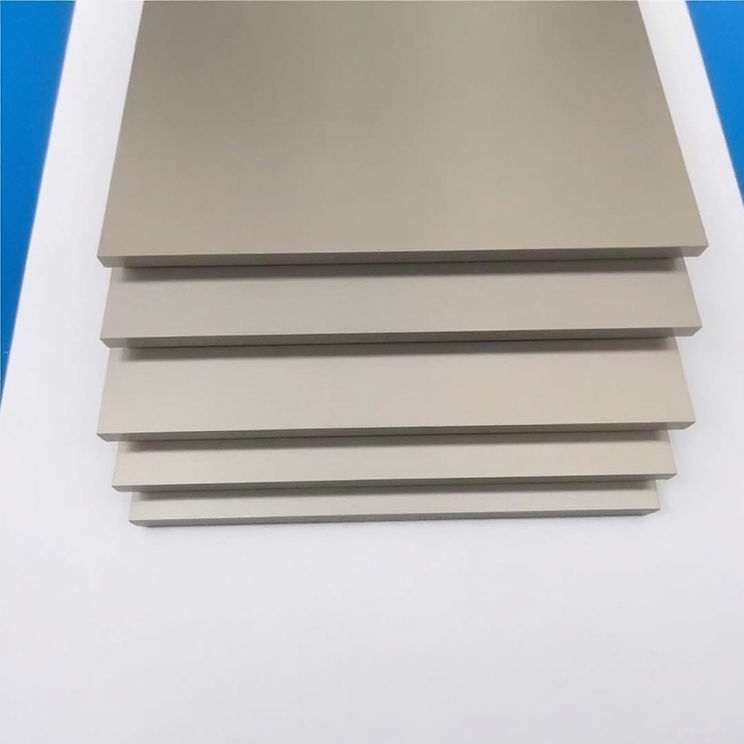
Industrial systems exposed to continuous heat require materials that can maintain strength, resist corrosion, and perform reliably over long operating cycles.
This is why manufacturers across aerospace, thermal processing, and heavy engineering industries often depend on Molybdenum Sheet products and 316 Stainless Steel Wire.
Both materials are designed for demanding environments, but each offers distinct advantages depending on the application.
The Need for Heat-Resistant Industrial Materials
Industrial systems operating at elevated temperatures place continuous stress on structural components. Materials exposed to heat must resist deformation, oxidation, and mechanical failure while maintaining long-term stability.
Manufacturers typically search for materials that provide:
-
Thermal resistance
-
Mechanical strength
-
Corrosion protection
-
Structural durability
-
Reliable long-term performance
Molybdenum and stainless steel remain popular choices because they deliver dependable results under demanding conditions.
Why Molybdenum Sheets Are Valuable in High-Temperature Systems
Molybdenum is widely respected for its extremely high melting point and strong thermal stability. A molybdenum sheet can maintain structural integrity even in environments where many traditional metals begin losing strength.
Industries commonly use molybdenum sheets in:
-
Furnace components
-
Aerospace systems
-
Heat shields
-
Thermal processing equipment
-
High-temperature manufacturing machinery
One of the major advantages of molybdenum is its ability to remain stable under prolonged heat exposure. This allows industrial systems to operate more efficiently without frequent material failure.
Molybdenum also offers excellent thermal conductivity, which helps distribute heat effectively in specialized industrial applications.
The Role of 316 Stainless Steel Wire
316 stainless steel wire is widely used in industries requiring both corrosion resistance and mechanical reliability. The addition of molybdenum within the stainless-steel composition improves its resistance to chlorides and harsh industrial environments.
This wire is commonly found in:
-
Industrial mesh systems
-
Heat-resistant fasteners
-
Filtration equipment
-
Structural reinforcement
-
Manufacturing assemblies
Unlike some metals that quickly corrode under moisture and chemical exposure, 316 stainless steel maintains durability in challenging operating conditions.
Its flexibility and ease of fabrication also make it suitable for applications involving shaping, weaving, and reinforcement.
How These Materials Perform Under Heat
Although both materials resist high temperatures, their performance characteristics differ.
Molybdenum sheets are designed for environments involving extreme heat exposure. Their thermal stability allows them to maintain strength in applications where temperatures exceed the capabilities of many conventional metals.
316 stainless steel wire performs well in moderately high temperature systems where corrosion resistance is equally important. It provides dependable performance in industrial environments involving moisture, chemicals, and thermal stress.
The choice often depends on whether the application prioritizes maximum heat resistance or balanced corrosion protection.
Corrosion Resistance in Industrial Environments
High-temperature systems are often exposed to oxidation, humidity, and chemical compounds that can damage ordinary metals.
316 stainless steel wire offers strong resistance to corrosion, making it useful in processing plants, marine environments, and industrial manufacturing systems.
Molybdenum also performs well under controlled high-temperature conditions, especially in vacuum or low-oxygen environments. However, its primary advantage lies in thermal strength rather than moisture resistance.
Many industrial systems combine both materials to achieve balanced thermal and environmental performance.
Where Industries Commonly Use These Materials
Manufacturers often select molybdenum sheets for thermal systems requiring exceptional heat stability. These include furnace interiors, aerospace components, and heat shielding structures.
316 stainless steel wire is more commonly used in support systems, reinforcement structures, industrial filtration, and applications requiring flexibility alongside corrosion resistance.
Together, these materials contribute to safer and more efficient industrial operations across manufacturing and engineering sectors.
Selecting the Right Material for Industrial Performance
Material selection depends heavily on operating conditions. If the system involves extremely high temperatures and structural heat resistance, molybdenum sheets are often the preferred solution.
If corrosion resistance, flexibility, and fabrication versatility are more important, 316 stainless steel wire becomes a practical choice.
Understanding the environmental exposure, thermal conditions, and mechanical demands helps industries select materials that provide long-term operational reliability.
Conclusion
Molybdenum sheets and 316 stainless steel wire continue to play important roles in modern industrial applications where heat resistance and durability are critical. Their unique performance characteristics allow manufacturers to build systems capable of operating safely and efficiently under demanding conditions.
As industries continue advancing toward higher-performance engineering, reliable industrial materials remain essential for operational success. Companies looking for advanced metal solutions for thermal and industrial applications can explore engineered materials at regmetals.com.
