

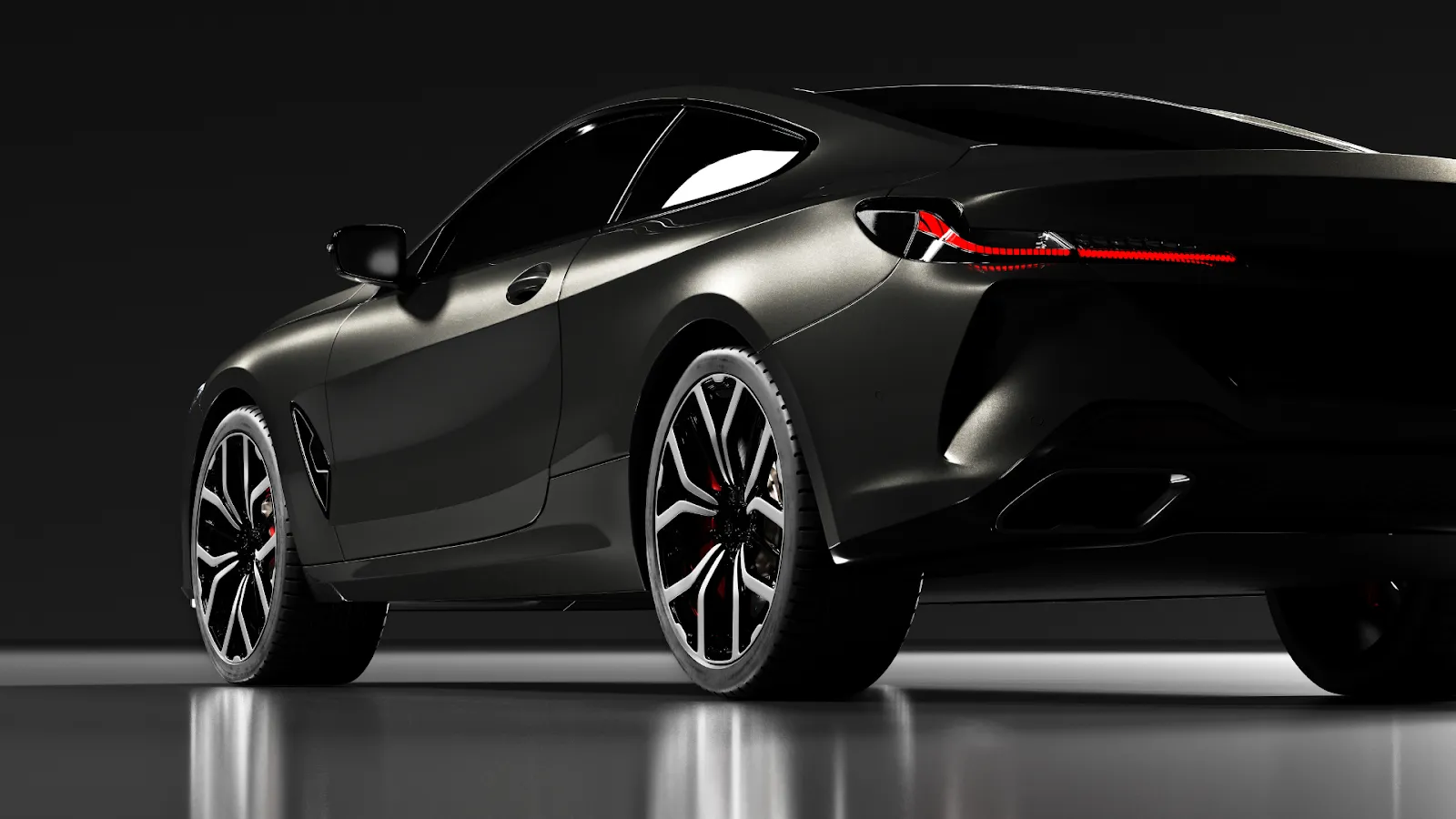
Financing a classic BMW is very different from financing an ordinary daily driver. While many buyers are familiar with the process of financing a newer vehicle through a dealership or traditional lender, classic car purchases tend to involve a different set of expectations. The age of the car, its condition, its collectibility, and the buyer’s long-term goals can all influence how financing works.
For buyers considering financing for a BMW, it is important to understand that a classic model is often treated as more than simple transportation. In many cases, it is a passion purchase, a collector vehicle, or a piece of automotive history. That makes the financing process more specialized and often more strategic. Here are seven things buyers should know before moving forward.
1. Not Every Lender Finances Classic Vehicles
One of the first things buyers should understand is that financing a classic BMW is not always something a traditional bank or standard auto lender wants to do. Many lenders are set up to finance newer vehicles with predictable depreciation and easy market valuation. A classic car falls outside that model.
Older BMWs may have rising collector interest, limited availability, or values that do not follow the same patterns as ordinary used cars. Because of that, buyers often find that general lenders either will not finance the vehicle at all or will offer terms that do not fit the purchase very well. Knowing this upfront can save time and help buyers focus on financing sources that are more familiar with enthusiast and collector cars.
2. Vehicle Value May Be More Complex Than Expected
With a newer car, valuation is usually straightforward. There are widely accepted pricing tools, predictable resale patterns, and a large volume of comparable vehicles. A classic BMW is different. The value may depend on rarity, originality, mileage, maintenance history, trim level, documentation, and current collector demand.
For example, two cars that look similar at first glance may have very different values based on whether one has original paint, matching numbers, full service records, or a more desirable drivetrain. Buyers should understand that financing a classic BMW often starts with determining what the car is really worth in the market, not just what the seller is asking.
3. Condition Matters More Than Age Alone
Many buyers assume that once a BMW reaches a certain age, it automatically fits into the same category as any other classic car. In reality, condition can matter just as much as age, and sometimes more.
A well-preserved, highly original BMW may be more attractive to both buyers and lenders than a heavily modified or poorly maintained example. Rust, accident history, incomplete restoration work, and missing records can all affect how the car is viewed. This matters not only for enjoyment and future resale, but also for the financing process. A cleaner and better-documented vehicle often supports a smoother transaction because it gives more confidence in the car’s value and appeal.
4. Financing Terms May Look Different From a Standard Auto Loan
Classic vehicle financing is often structured differently from a typical new or used car loan. Buyers may notice differences in term length, down payment expectations, and the overall way the loan is presented.
This happens because the purchase itself is different. A classic BMW is often bought by someone who wants to preserve cash flow, protect liquidity, or structure the purchase in a way that fits broader financial goals. Rather than approaching the transaction like a routine commuter-car loan, financing may be tailored around the unique nature of the vehicle and the buyer’s intentions for ownership.
That does not automatically mean the process is harder. It simply means buyers should be prepared for a more customized conversation than they might expect with an ordinary auto loan.
5. Documentation Can Make a Big Difference
When buying a classic BMW, paperwork matters. Service records, restoration receipts, ownership history, factory documentation, and even original manuals can all strengthen the overall profile of the vehicle. These materials help tell the story of the car and support its value.
From a buyer’s perspective, documentation offers reassurance that the car has been cared for properly. From a financing perspective, it can make the vehicle easier to evaluate. A classic car with a clear, organized history tends to inspire more confidence than one with major gaps in its background. Before financing, buyers should gather as much documentation as possible and review it carefully.
6. Ownership Costs Go Beyond the Purchase Price
A classic BMW may be financed successfully, but that does not mean the financial planning should stop at the monthly payment. Buyers should also consider ongoing ownership costs. Insurance, maintenance, storage, transport, detailing, and parts availability can all affect the total cost of owning the car.
Older vehicles may require more specialized service than newer ones, and certain parts may be harder to source. Even a car that seems reasonably priced can become more expensive over time if upkeep is ignored in the budget. Buyers who plan carefully for the full ownership picture usually have a better experience than those who focus only on getting the deal done.
7. Long-Term Ownership Goals Should Shape the Financing Decision
Before financing a classic BMW, buyers should think carefully about what they want from the car over time. Is the goal to enjoy weekend drives for years? Is it to add a meaningful piece to a collection? Is it to buy a model that may become harder to find later?
The answer matters because ownership goals often influence the ideal financing approach. Someone who plans to keep the vehicle long term may think differently about loan structure than someone who expects to sell or trade it in a shorter window. A classic BMW is rarely an impulse purchase in the same way as an ordinary used car. It is often tied to personal enthusiasm, collecting strategy, or a long-term vision of ownership.
Financing a classic BMW involves more than simply applying for a loan. Buyers should understand the importance of specialized lenders, accurate valuation, vehicle condition, documentation, ownership costs, and long-term goals before moving forward.
The more informed the buyer is at the beginning, the more confident and enjoyable the process tends to be. A classic BMW can be a rewarding purchase, but like any specialty vehicle, it deserves a thoughtful approach from both a financial and ownership perspective.

